A college professor of mine once told me there are two things students forget the fastest: anatomy and calculus. You forget them because you don’t end up using either in daily life.
So the problem with teaching math (beyond basic numeracy and arithmetic) is this: Once you start learning, you have to keep doing math, just so the math you know stays fresh.
I’m thinking about this because it’s time for my eldest to start learning math seriously, and I’m designing what that education plan looks like.
In modern-day America, how can you get a kid to enjoy math, and be good at math, maybe even really good at math?
I’ve written a whole guide for teaching reading—which my youngest will soon experience herself—going from sounding out words all the way to being able to decode pretty advanced books at age three. I know what my philosophy of reading is: To make a voracious young reader, and so the process should be grounded in physical early readers. You start with simple phonics, but most importantly, you teach how to read books, and practice that by reading sets of books over and over together, not just decoding independent words.
The advantage of this approach is that it moves the child from “learning to read” to “reading to learn” automatically, as soon as possible. Such a transition is not guaranteed. Teachers everywhere observe the “4th grade slump” wherein, on paper, a child knows how to read, but in practice, they haven’t made it automatic, and so can’t read to learn. In fact, if you can’t read automatically, you can’t really read for fun in the same way, either (imagine how this gap affects kids). Reading, in other words, unlocks all other learning.
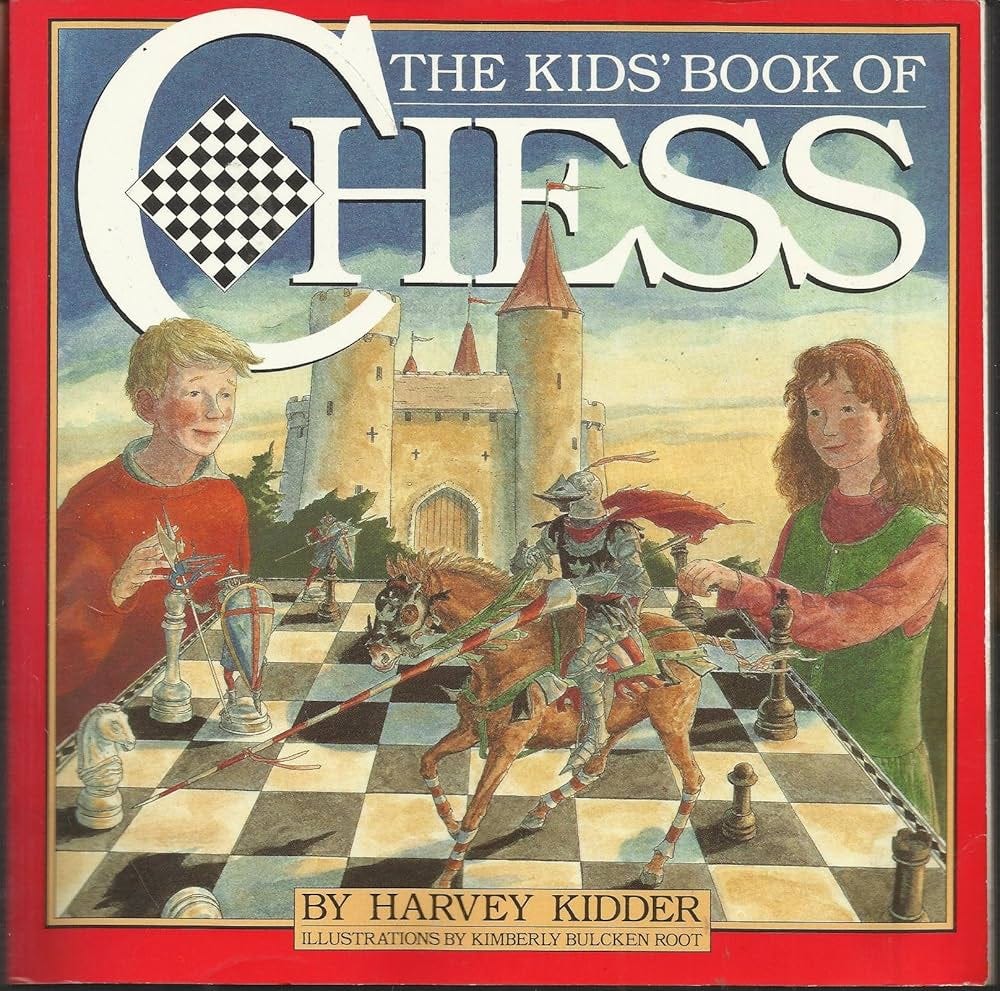
Just as an example: A little while ago, after finding this book, my now-literate 4-year-old took it upon himself to try to learn the rules of chess, and I could definitely see the book helped him get a better sense of how everything works.
And here’s Roman in a game with me that evening (he looks meditative, but each captured piece howls and writhes as it’s dragged away to his side).
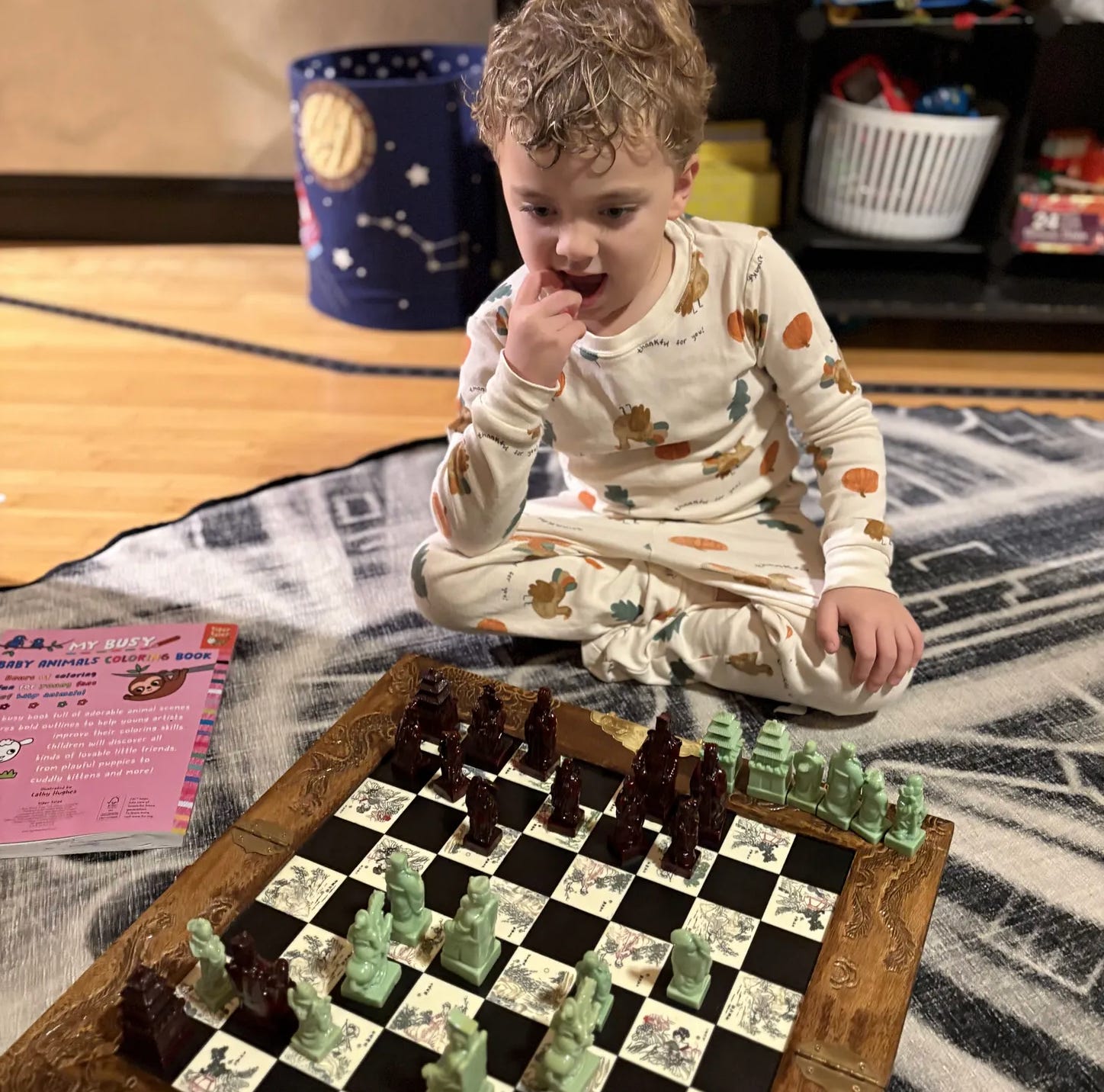
I found it a nice example of the advantage of automaticity when it comes to reading. He reads constantly, even to his little sister. It feels complete.
But… what about math? Of course, he’s already numerate and can do some arithmetic. Yet my whole point of teaching early reading was to maximize his own ability to go off and learn stuff himself. And he’s made use of that with his own growing library that reflects his personal interests, like marine biology (whales, squid, octopuses—the kid loves them all).
With math, it’s harder to see immediate results like that. Now, I think math is important in any education, in and of itself. It’s access to the Platonic realm. It’s beautiful. It teaches you how to think in general. And it opens a ton of doors—there are swaths of human knowledge locked behind knowing how to read equations. In that regard, becoming good at math also gives personal freedom, just like reading does. If you’re good at math, way more doors are open to you: A lot of science and engineering is secretly just applied math!
But what are the milestones? What is reaching “mathing to learn?” How can math stay fun through an education? What can parents teach a child vs. schools vs. programs? What are the time commitments? And the best resources? Suddenly, all these questions have become very personal. And I don’t know all the answers, but I’m interested in creating a resource for my kids to follow (the eldest is kind of the guinea pig in that way).
So from now on I’ll occasionally give updates for paid subscribers about what my own plans are, our progress, and how I think getting a kid to be good at math (while still enjoying it!) actually works. If you want to follow along, please consider becoming a paid subscriber.
However, I first have to point out something uncomfortable about how math education works here in the United States.
Schools Don’t Make Kids Great at Math.
It turns out there is a little-known pipeline of programs that go from learning how to count all the way to the International Math Olympiad (IMO). And a lot of the impressive Wow-no-wonder-this-kid-is-going-to-MIT math abilities come out of these extracurricular programs, ones that the vast majority of parents don’t even know about.
Surely, these programs are super expensive? Surprisingly, not really. It’s just that most parents look around at extracurriculars and (reasonably) think “Well, they learn math in school, so let’s do skiing or karate or so on.” The programs are also very geographically limited, often to the surrounding suburbs of big cities in education-focused states.
The problem is that it’s hard to get really good at math from regular school alone, even the most expensive and elite private ones. In fact, as Justin Skycak (who works at Math Academy) points out, at very top-tier math programs in college/university, they are basically expecting that you have a math education that goes beyond what you could have possibly taken during high school.
The result is a very stupid system, because it means the kids in accelerative math programs learn all their math first outside of school… and then basically come back in and redo the subjects. Kids who are top-tier at math are often like athletes with a ton of extracurricular experience showing up to compete in gym class.
I am not saying these extracurricular math programs are bad in-and-of-themselves. Someone has to care about serious math, and these programs mostly really do seem to. Their main goal is, refreshingly, not to tutor kids into acing the SATs—most have no “SAT test prep” course at all. They look down at that sort of thing. Rather, they create a socio-intellectual culture that places math (and math competitions) at its center. Although, of course, that leads pretty naturally to kids acing the SATs.
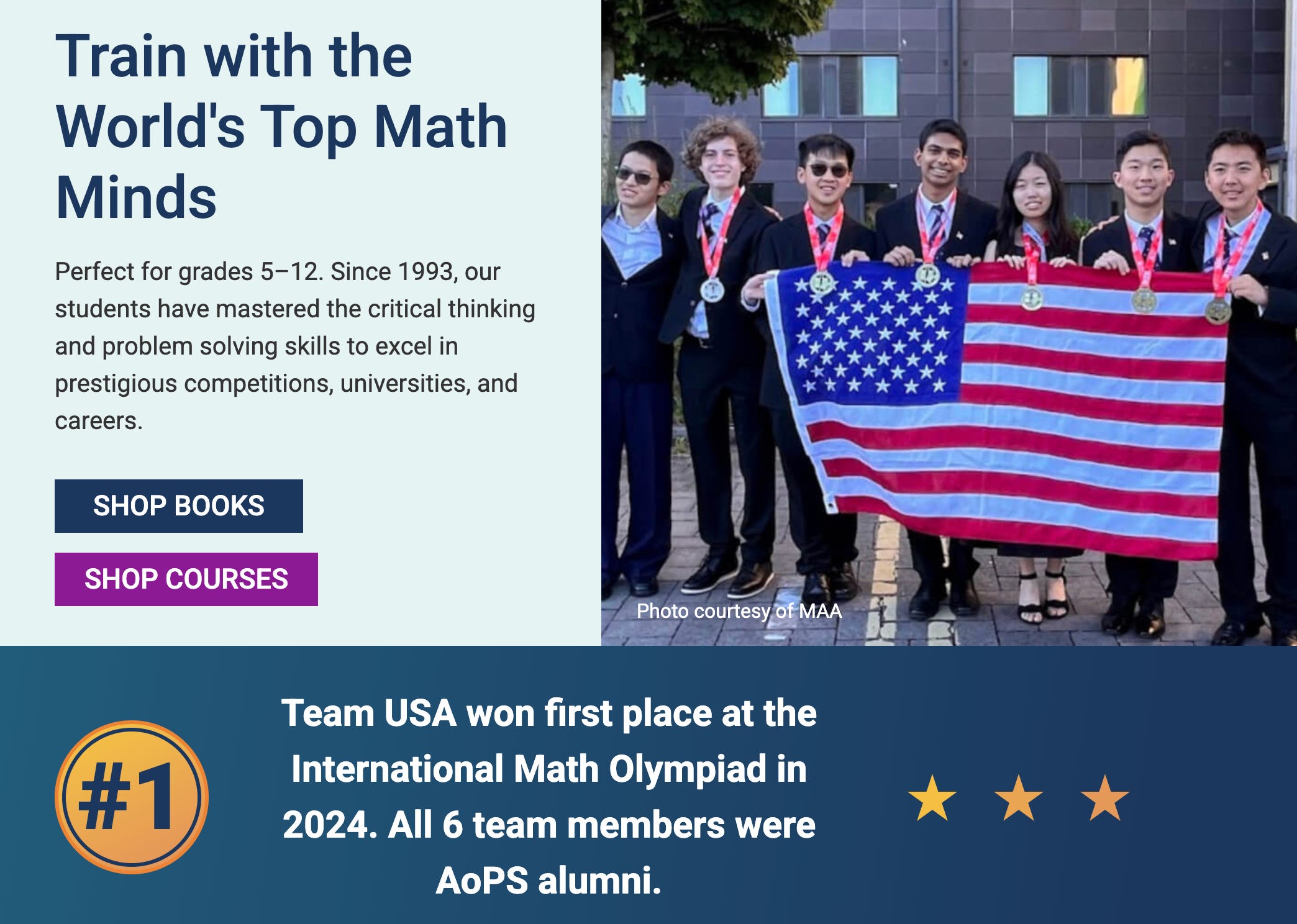
Some of these programs are very successful. In fact, for the last ten consecutive years, pretty much every member of the six-person US IMO teams was a regular student of one specific program.